When you’re pouring concrete — whether it’s a driveway, slab, footpath or commercial pad — you need room for movement. That’s where Ableflex Expansion Joint Foam comes in. Used widely across building, landscaping and civil projects, Ableflex helps control cracking and stress by creating a compressible buffer between concrete surfaces.
At Foam for Home, we supply high-quality Ableflex Expansion Joint Filler Foam in a range of widths, with or without adhesive backing, ready for Australia-wide delivery. Here’s everything you need to know before choosing the right expansion joint foam for your project.
What Is Ableflex Expansion Joint Foam?
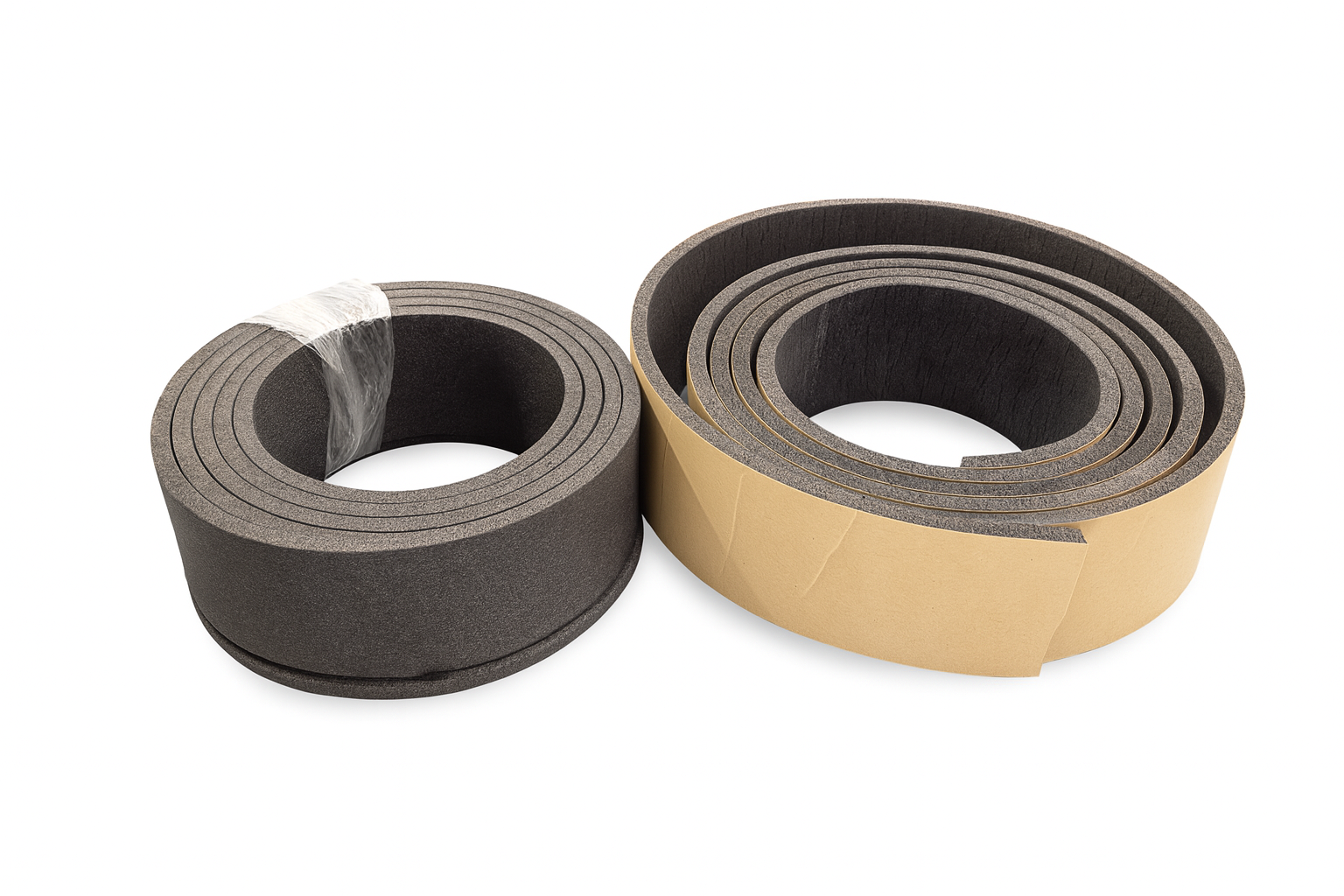
Ableflex is a closed-cell polyethylene (PE) expansion joint filler foam designed to create a gap or buffer between concrete and adjacent structures. Its compressible nature allows concrete to expand and contract naturally without pushing against fixed surfaces.
This type of foam is:
-
Lightweight and easy to handle
-
Moisture-resistant and non-absorbent
-
Flexible yet extremely durable
-
Easy to cut and trim on site
Why Builders Use Ableflex Foam
Concrete expands with heat and contracts when it cools. Without a compressible joint between slabs and structures, movement can lead to:
-
Cracking
-
Lifting or heaving
-
Pressure against walls or foundations
-
Premature failure of slabs or pathways
Ableflex acts as a controlled expansion gap, absorbing movement and protecting adjoining structures from damage.
Ableflex Foam Features (Foam for Home Product Specifications)
When you purchase Ableflex Expansion Joint Foam from Foam for Home, you receive:
-
Material: Closed-cell polyethylene foam
-
Thickness: 10 mm
-
Roll Length: 25 metres
-
Widths Available: 50 mm, 75 mm, 100 mm, 125 mm, 150 mm, 200 mm, 250 mm and 300 mm
-
Options:
-
Plain (standard non-adhesive)
-
Self-adhesive peel-and-stick backing
-
The adhesive-backed version allows quick installation and stays firmly in place during preparation and concrete pouring.
Where Ableflex Is Used
Ableflex Expansion Joint Foam is suitable for residential, commercial and civil applications, including:
Residential
-
Concrete driveways
-
Patio and alfresco slabs
-
Footpaths and garden edging
-
Garage and shed slabs
Commercial & Civil Projects
-
Kerb and channel works
-
Tilt-up panel construction
-
Industrial floor slabs
-
Around pipes, pits, utilities and foundations
Masonry and Blockwork
-
Isolation joints
-
Retaining wall interfaces
-
Foundation buffers
Adhesive vs Non-Adhesive Ableflex
Adhesive-Backed Ableflex (Peel & Stick):
-
Stays in place without fastening
-
Speeds up installation
-
Ideal for vertical and hard-to-secure areas
Non-Adhesive Ableflex:
-
Most commonly used version
-
Easily adjustable on site
-
Suitable for all standard concrete works
How Ableflex Expansion Joint Foam Works
Ableflex is placed before the concrete is poured. It is positioned vertically at the point where movement is expected, such as between the slab and walls or between adjoining slabs.
As the concrete cures and later expands or contracts, Ableflex absorbs the movement. This prevents the concrete from pushing against rigid structures and reduces damage, cracking and joint failure.
Installation Tips
-
Measure the gap you are isolating or creating.
-
Select the right width of Ableflex to match the required depth.
-
Install vertically and ensure it runs the full edge of the pour.
-
Trim the top edge after the concrete has cured if sealant application is required.
-
Use adhesive-backed foam if you want the material to remain secure during setup.
Is Ableflex Waterproof?
Yes — Ableflex is made from closed-cell polyethylene, meaning it does not absorb water. This makes it ideal for outdoor use, in soil environments, and around areas exposed to moisture.
Benefits of Using Ableflex Expansion Joint Foam
-
Prevents cracking in slabs and paths
-
Allows natural expansion and contraction
-
Helps extend the life of concrete structures
-
Quick and clean to install
-
Long-lasting and rot-proof
-
Suitable for all climates and soil conditions
Who Uses Ableflex?
-
Concreters
-
Builders
-
Landscapers
-
Civil contractors
-
DIY renovators
Anyone working with concrete benefits from using Ableflex as part of their pour preparation.
FAQ
What thickness is most common?
10 mm is the standard and most widely used thickness.
Can Ableflex be used vertically?
Yes, it is designed for both vertical and horizontal joint applications.
Do you offer custom sizes?
Ableflex comes in standard widths up to 300 mm. If you need specialised foam for different applications, Foam for Home can supply custom foam solutions.
Does Ableflex rot or break down?
No — it is rot-proof, weather-resistant and long-lasting.