What Thickness Foam Should I Choose?
One of the most common questions we receive at Foam for Home is, “What thickness foam do I need?”
The answer depends on how the cushion will be used, the size of the cushion and how firm you would like it to feel.
Choosing the correct foam thickness is just as important as selecting the right foam grade. While foam density determines much of the comfort and durability, the thickness of the foam also has a significant impact on how supportive the finished cushion feels.
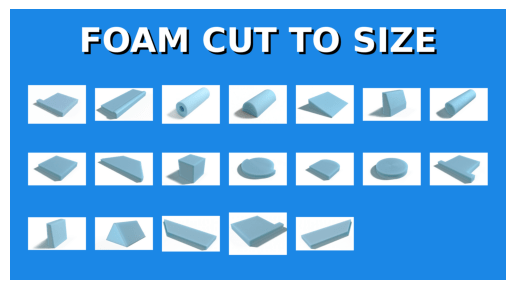
If you’re ordering Foam Cut to Size, understanding the different thickness options will help ensure you select the right foam for your project.
Recommended Foam Thickness Guide
50mm Foam (2″)
Best suited for:
- Dining chair cushions
- Kitchen chair cushions
- Office chairs
- Replacement chair pads
- Caravan dinette seating
- Outdoor chair cushions
A 50mm thick cushion is ideal where space is limited but comfort is still important. When paired with a quality high-density foam, 50mm provides excellent support for everyday seating while maintaining a slim, neat appearance.
75mm Foam (3″)
Best suited for:
- Bench seat cushions
- Window seat cushions
- Bay window seating
- Café seating
- Restaurant seating
- Caravan seating
- Built-in seating
For most residential and commercial seating, 75mm is the most popular foam thickness. It offers an excellent balance between comfort, support and appearance, making it our most commonly recommended option.
100mm Foam (4″)
Best suited for:
- Large bench seats
- Reading nooks
- Commercial seating
- Deep window seats
- Daybeds
- Customers wanting additional support
Many people assume thicker foam will feel softer. In reality, the opposite is often true.
Generally speaking, increasing the thickness of the foam provides greater support and a firmer overall feel because there is more material available to distribute weight before reaching the base beneath the cushion.
For larger seating areas, 100mm foam offers outstanding comfort and long-term durability.
150mm–200mm Foam (6–8″)
Best suited for:
- Lounge cushions
- Modular sofas
- Deep seating
- Daybeds
- Outdoor lounges
- Premium furniture
Lounge furniture typically uses much thicker foam than bench seating. Thicknesses between 100mm and 200mm create a luxurious seating experience while maintaining excellent support.
The ideal thickness will depend on the furniture design and the desired comfort level.
Does Foam Thickness Affect Firmness?
Yes.
While foam density plays the biggest role in determining firmness, foam thickness also contributes significantly to how a cushion feels.
As a general rule:
- Thicker foam provides greater support.
- Thicker foam usually feels firmer because there is more material resisting compression.
- Higher-density foam will generally last longer and maintain its shape better than lower-density foam.
The best results come from choosing the correct combination of both foam thickness and foam grade.
Choosing the Right Foam
At Foam for Home, we proudly supply premium Australian-made foam manufactured by Joyce Foam Products, one of Australia’s leading foam manufacturers.
Their extensive range of upholstery foams is trusted throughout Australia for residential, commercial, marine and caravan applications thanks to its exceptional comfort, durability and long-lasting performance.
Whether you’re replacing worn-out cushions or creating something completely new, selecting the right foam thickness and grade will ensure years of comfortable seating.
Foam Cut to Size
Every seating project is different, which is why we manufacture Foam Cut to Size to your exact measurements.
Whether you require foam for:
- Bench seats
- Window seats
- Dining chairs
- Lounge cushions
- Caravan cushions
- Boat cushions
- Commercial seating
- Outdoor furniture
our experienced team can recommend the ideal foam thickness and grade for your application before cutting your foam to the exact size required.
Frequently Asked Questions
What is the best foam thickness for a bench seat?
For most bench seats and window seats, 75mm foam provides the ideal balance of comfort, support and appearance. Larger bench seats may benefit from 100mm foam, particularly if you prefer a firmer feel.
Is 50mm foam thick enough for dining chairs?
Yes. A quality high-density 50mm foam is perfect for most dining chairs, kitchen chairs and office seating where space is limited.
Does thicker foam feel firmer?
Generally, yes. Increasing the thickness of the foam provides greater support because there is more material available to compress before reaching the base underneath. However, the foam density also plays a significant role in determining overall comfort.
What thickness foam is used for lounge cushions?
Most lounge cushions are manufactured between 100mm and 200mm thick, depending on the furniture design and the desired level of comfort.
Can Foam Cut to Size be made in any thickness?
Yes. Foam for Home manufactures Foam Cut to Size in a wide range of thicknesses, shapes and sizes to suit almost any residential or commercial project.
What thickness foam is best for caravan cushions?
Most caravan seat cushions are made using 100mm – 150mm foam, depending on the available space and the level of comfort required.
How do I know which foam thickness is right for me?
If you’re unsure, simply contact our team with your cushion dimensions, how the cushion will be used and whether you prefer a softer or firmer feel. We’ll recommend the most suitable foam thickness and grade for your project.
Order Foam Cut to Size Online
Ordering quality foam has never been easier.
At Foam for Home, we manufacture premium Australian-made Foam Cut to Size for homes, caravans, boats, commercial seating and upholstery projects throughout Australia.
Simply enter your measurements using our online calculator or contact our experienced team for advice. We’ll help you choose the right foam thickness and grade before cutting your foam to your exact specifications and delivering it Australia wide.