Comfort is something we all recognise instantly — but very few people understand what actually makes seating or bedding comfortable. Behind every supportive cushion, mattress, or topper is carefully engineered foam designed to distribute weight, reduce pressure, and support your body correctly.
At Foam For Home, we specialise in custom foam solutions for seating, mattresses, and specialty projects. In this guide, we explore the science behind foam comfort and how the right foam can dramatically improve both seating and sleep quality.
How the Human Body Experiences Comfort
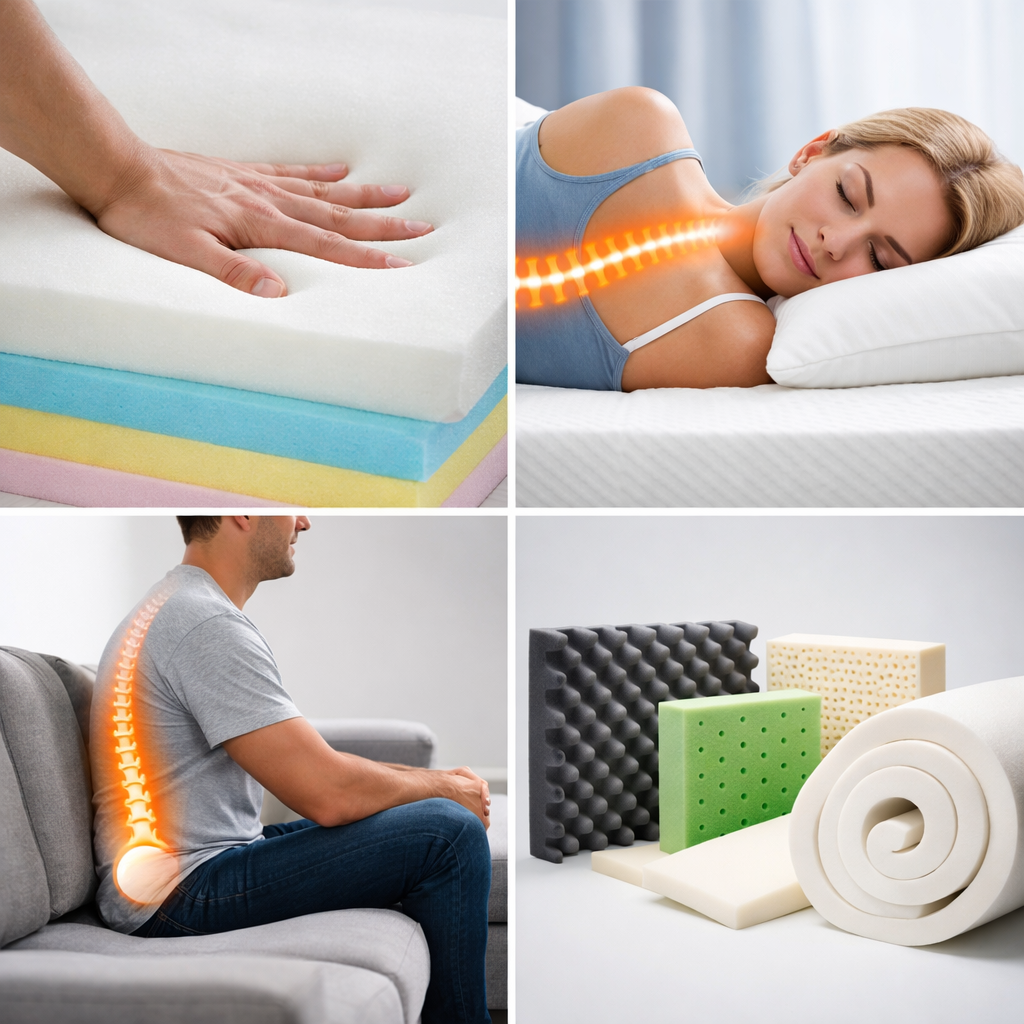
When you sit or lie down, your body applies pressure at certain contact points — mainly your hips, shoulders, lower back, and thighs. Poor support concentrates pressure in these areas, which can lead to discomfort, numbness, and long-term posture problems.
High-quality foam works by:
- Distributing weight evenly
- Supporting natural body alignment
- Reducing pressure points
- Absorbing movement and impact
This combination allows muscles to relax while keeping your spine correctly positioned.
Pressure Distribution: The Key to Comfort
One of the most important roles of foam is pressure redistribution.
Without proper support, pressure builds up under heavy areas like hips and shoulders. Over time this reduces blood flow and causes pain or stiffness.
Foam responds to body weight by compressing where needed and supporting where required. This creates a balanced surface that:
- Prevents sore spots
- Improves circulation
- Reduces tossing and turning
- Enhances long-term comfort
This is especially important for mattresses, lounge cushions, and wheelchair seating.
Foam Density vs Firmness – What Really Matters?
Many people confuse firmness with density, but they are very different.
- Density determines durability and support lifespan
- Firmness determines how soft or firm the foam feels
Higher-density foams generally:
- Last longer
- Provide better long-term support
- Maintain shape under regular use
Lower-density foams:
- Feel softer initially
- Are suitable for light-use seating
- Are more affordable
Choosing the correct balance between density and firmness is essential for comfort and longevity.
How Foam Supports Your Spine and Posture
Proper posture relies on keeping your spine in a neutral alignment.
Good foam:
- Supports the natural curve of your lower back
- Prevents hips from sinking too deeply
- Keeps shoulders aligned
- Reduces spinal compression
In seating, this prevents slouching and back fatigue.
In sleep, it reduces lower back pain and neck tension.
This is why custom foam mattresses and toppers are so effective for people with posture-related discomfort.
Foam in Seating vs Foam in Sleep
While the principles are the same, seating and sleeping require different foam characteristics.
Seating Foam
Requires:
- Higher resilience
- Faster recovery after compression
- Strong edge support
- Resistance to sagging
Common uses:
Lounge cushions, dining chairs, benches, caravans, boats.
Sleeping Foam
Requires:
- Pressure relief
- Motion absorption
- Even weight distribution
- Long-term shape retention
Common uses:
Mattresses, toppers, pillows, adjustable beds.
Memory Foam, Standard Foam & Specialty Foams
Different foam types provide different comfort benefits:
Standard Upholstery Foam
- Great all-round support
- Ideal for seating and cushions
- Cost-effective and durable
Memory Foam
- Conforms to body shape
- Excellent pressure relief
- Ideal for toppers and mattresses
Latex & Specialty Foams
- High responsiveness
- Naturally breathable
- Long lifespan
Reticulated Foam
- Open-cell structure
- Quick-dry and breathable
- Ideal for outdoor seating and marine use
Why Custom Foam Makes a Difference
Off-the-shelf cushions and mattresses are designed to fit “average” body types and furniture sizes — which rarely match reality.
Custom foam allows you to:
- Match your body weight and sleep style
- Fit exact furniture dimensions
- Choose firmness and thickness precisely
- Improve comfort without replacing furniture
At Foam For Home, we cut foam to size for lounges, caravans, mattresses, benches, pet beds, and specialty projects — ensuring every piece supports exactly as it should.
Signs Your Foam Is No Longer Supporting You Properly
If you notice:
- Sagging or flattening
- Loss of bounce or resilience
- Increased back, hip, or shoulder pain
- Uneven seating surfaces
…it’s usually time to replace the foam — not the furniture.
New foam often restores comfort at a fraction of the cost of full replacement.
Final Thoughts
Comfort isn’t accidental — it’s engineered.
The right foam improves posture, reduces pressure, enhances circulation, and dramatically improves both seating and sleep quality. Understanding how foam works allows you to choose better solutions that last longer and feel better every day.
If you’re unsure which foam is right for your project, Foam For Home offers expert advice and custom-cut solutions across Australia.